Tag: Hiking

 Six hours in Edinburgh

My wife and I went on a ten-day cruise around the UK in late spring 2023, with stops in Scotland, Wales, Ireland and England. Whenever I could, I tried to explore on foot. On our first stop, I did a nice urban hike around Edinburgh, Scotland. My last visit to the city was back in 2006. I wanted to visit Arthur’s Seat and the Royal Mile. I also had a mission to get my wife a new folding cane; I forgot her cane when we left home zero dark early for the airport. Well, at least we remembered our passports!

The day started with dismal weather; I was glad for a rain jacket and wool gloves. I caught a tender from the boat into the harbor and a bus from the cruise ship terminal into the city. In hindsight, I should have walked from the pier and skipped the expensive bus ride offered by the cruise line. Oh well, another lesson learned. 

I started from Queen Charlotte Square, intending to wander over to Arthur’s Seat. The city was hectic, but I got off the beaten path quickly. I navigated using the Gaia mapping app; it worked well for the entire trip. My first stop was Greyfriars Kirkyard Cemetery; I found the design of the old gravestones interesting.

Greyfriars Kirkyard Cemetery

I spent ten minutes exploring. I realized I needed a second breakfast and a toilet. The University of Edinburgh was close, so that would be my next stop. I found respite at Levels Cafe; it made for a nice break. It’s part of the University of Edinburgh; there was an excellent food selection and good coffee. I had a touch of jet lag; a large Americano cleared my head. I mainly eat a plant-based diet but I couldn’t resist an almond croissant this morning. I’m a flexitarian when it comes to sweets.

A break at University of Edinburgh

Suitably fortified, I was off to Holyrood Park and Arthur’s Seat. It’s pretty easy to spot.

Holyrood Park, the way to Arthur's Seat (and a good spot for running)
Holyrood Park, the way to Arthur’s Seat (and a good spot for running)

There are multiple approaches to Arthur’s Seat as seen on my Gaia map.

Map of Arthur's seat hike

I went about halfway around the circumference of the park and then started up just past Raven’s Rock. I missed stopping at Hutton’s Section, an area I had explored back in 2006. I’m not certain but I think the trail was closed here. I took a reasonably direct ascent via rough steps on the way up. I took a much gentler path on the descent.

Scottish Slot Canyon - most of the path up was better than this!
Scottish Slot Canyon – most of the path up was better than this!
On top of Arthur's Seat
On top of Arthur’s Seat

I like exploring volcanic areas; Arthur’s Seat is the remnant of a volcano from 330 million years ago. Scottish geologist James Hutton used the rock in this area to support his theory that we can infer ancient geology from modern rocks. I focused on geology on my first trip here in 2006. Today my goal was a walk in the park, hoping to get an overview of the city. Sadly, the weather didn’t cooperate. Still, it was a worthwhile urban hike. 

Descent from Arthur's Seat
Descent from Arthur’s Seat

Next, I headed to Edinburgh City Center. I walked up and down the Royal Mile with a side trip to a Boots pharmacy at the train station to see if I could find a cane. No cane but I found out that I needed a medical mobility shop, and I located a shop that was on my way back to the ship. An unintended benefit, I saw the Azuma or British Rail Class 800 high speed train that travels between London and Edinburgh as part of the London North Eastern Railway. It can travel up to 200 km/hour.

Azuma High Speed train

I headed back up to the Royal Mile via one of the many alleys of Edinburgh. These are convenient connectors that I enjoyed exploring, I wan’t always sure where I would pop out.

Edinburgh Alley

I stopped at a statue of Adam Smith, an economist I can understand. Perhaps the only economist I can understand.

With my friend Adam Smith

Nearby is a statue of philosopher David Hume. Hutton, Smith, and Hume were three significant contributors to the Scottish Enlightenment – an 18th-century group that advocated for rational thinking. Here’s a better description from Wikipedia:

“…. the thinkers of the Scottish Enlightenment asserted the importance of human reason combined with a rejection of any authority that could not be justified by reason. In Scotland, the Enlightenment was characterized by a thoroughgoing empiricism and practicality where the chief values were improvement, virtue, and practical benefit for the individual and society as a whole.”

Central Edinburgh is a busy place. I was impressed with the number of bicyclists I saw on the major roads such as this intrepid soul:

Edinburgh bicyclist

Back to reality, it was time to head back towards my ship. One doesn’t want to be left behind in Edinburgh. So, I beat feet on a brisk walk to obtain a cane. On the way, I came across some giraffe statues, I felt as if I was back in Tanzania.

Giraffes of Edinburgh

I made it to Edinburgh Mobility Solutions, they were great. After I got Mary Ellen a nice folding cane, I sat right down and wrote a review of this helpful business. I don’t know about you but for me it’s now or never when it comes to writing a review.

Next, I headed towards the water on a random walk. Along the way, I happened upon Edinburgh Community Bookshop. Yes, I did buy two books and a map of greater New York, circa 1964.

Edinburgh Community Bookshop
Books from Edinburgh

Next, it was time to head to the harbor. But, slight problem, I wasn’t certain exactly where I came to shore. So, I made my way towards the Leith harbor area where the retired royal yacht Britannia resides. There were a few other interesting ships docked here. Unfortunately, this wasn’t the place where I started. Fortunately, I didn’t have far to go.

Royal Yacht Britannia
Pipe laying construction ship Apache II, Leith Harbor
RFA Fort Victoria, Leith Harbor

After a twenty minute walk, I was back to the tender embarkation point for the 15 minute trip back to the ship. It was a satisfying urban hike covering about 12 miles (20 km). Next, I’ll cover a walk in Invergarden, Scotland.

View of Edinburgh, Arthur's Seat on the left
View of Edinburgh, Arthur’s Seat on the left
Edinburgh Walkabout
Edinburgh Walkabout

Hiking Horseshoe Canyon 15 April 2023

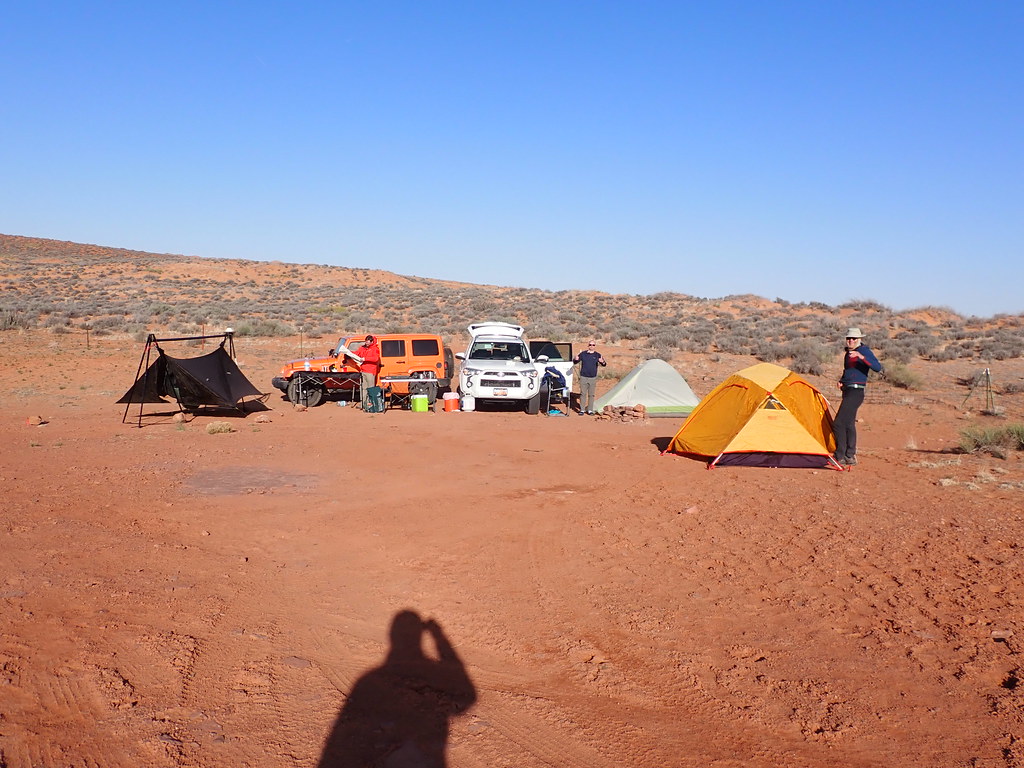
I hiked into Horseshoe Canyon with my friends Bill, Peter, and Kurt on 15 April 2023. We aimed to see the Barrier Canyon-style pictographs on the canyon walls. We arrived at the remote Horseshoe Canyon unit of Canyonlands National Park the night before. We were able to camp very near the trailhead.

Camp at Horsehoe Canyon
A nice place to camp

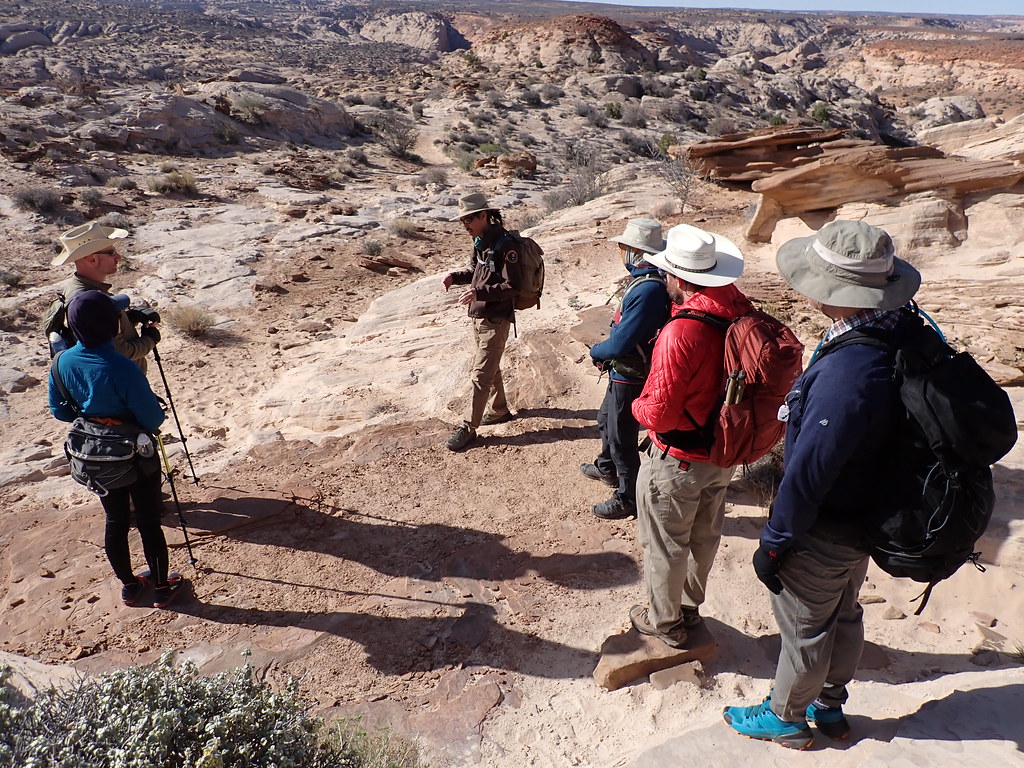
We met Ranger Jared at the trailhead for a guided walk. Bill had previously called and found there were ranger-guided tours; this was an excellent idea.

Meeting our Ranger Guide
Ranger Jared

One of the first things Jared pointed out was a dinosaur track.

Dinosaur Print

We descended about 150 meters (500 feet) into Horseshoe Canyon during the cool morning. The trail was well maintained; this is a moderate hike. One caution is that an early start would be wise in the summer months as hiking back up in the afternoon sun would be some hot work.

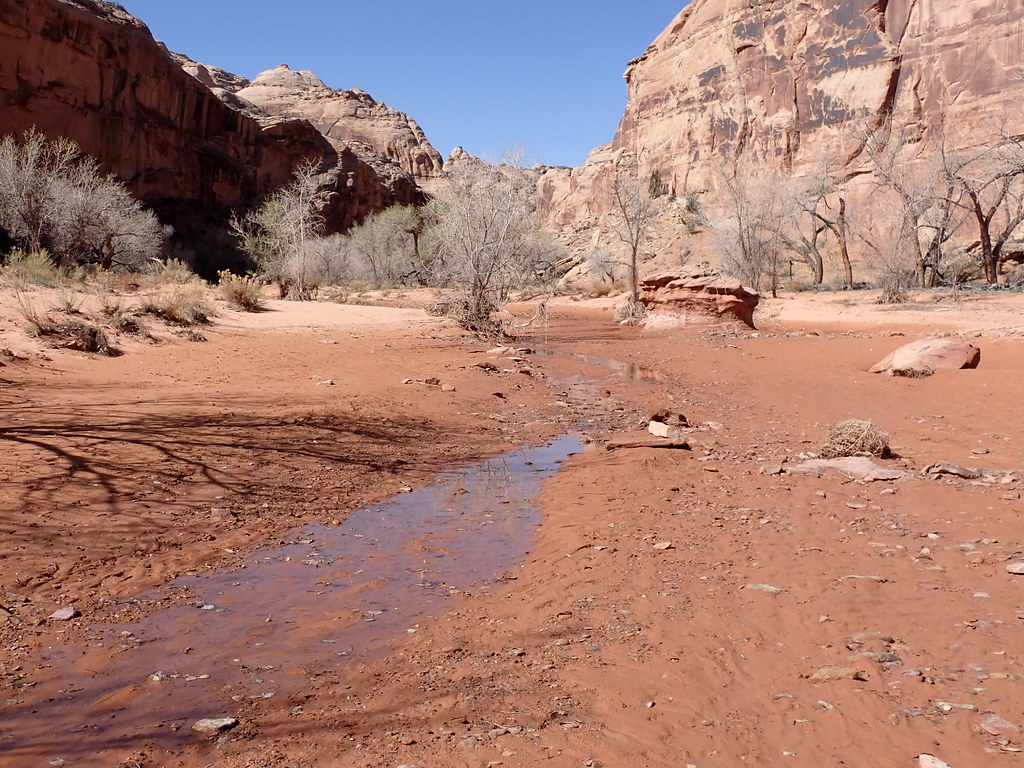
Barrier Creek
We crossed Barrier Creek several times

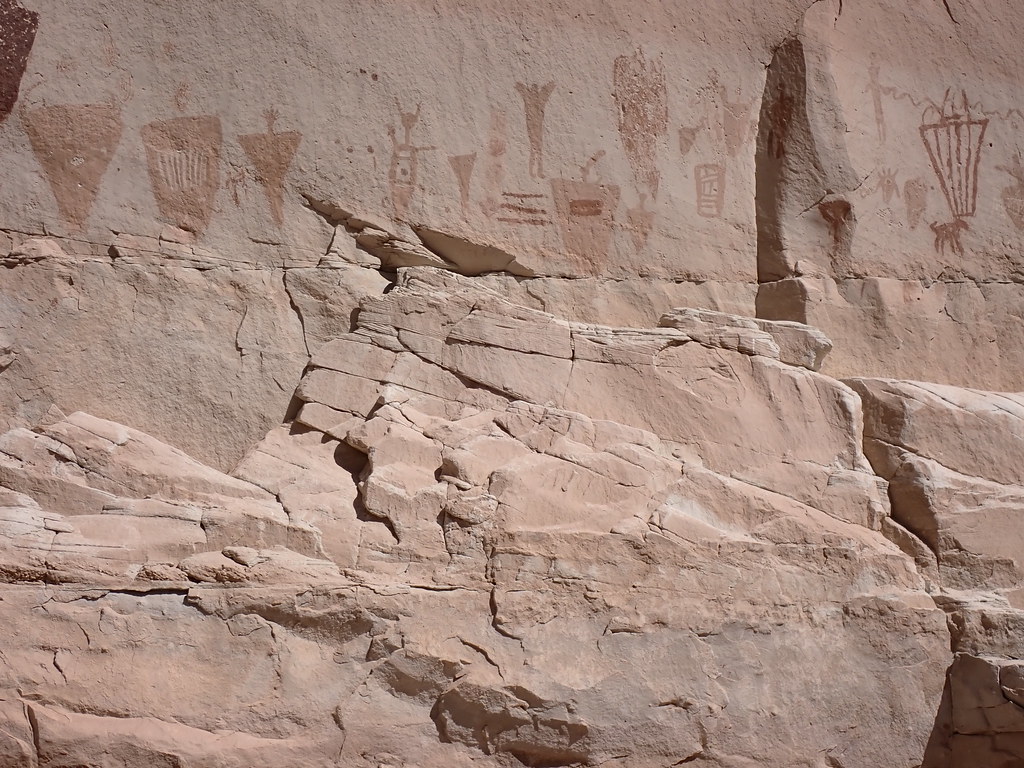
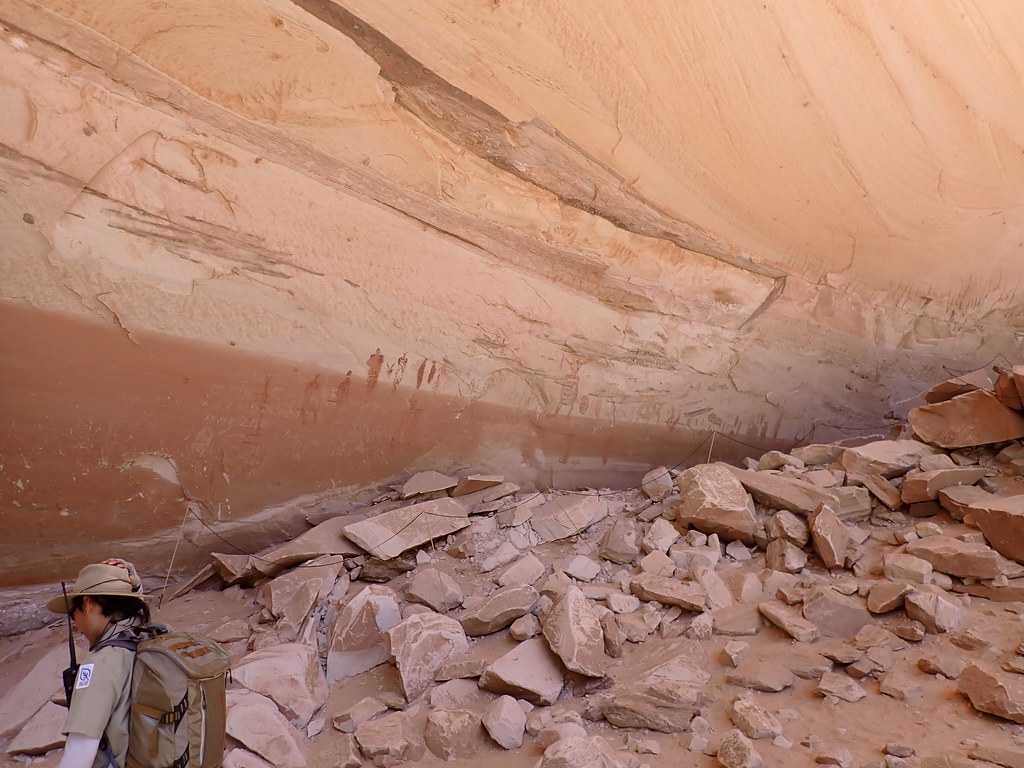
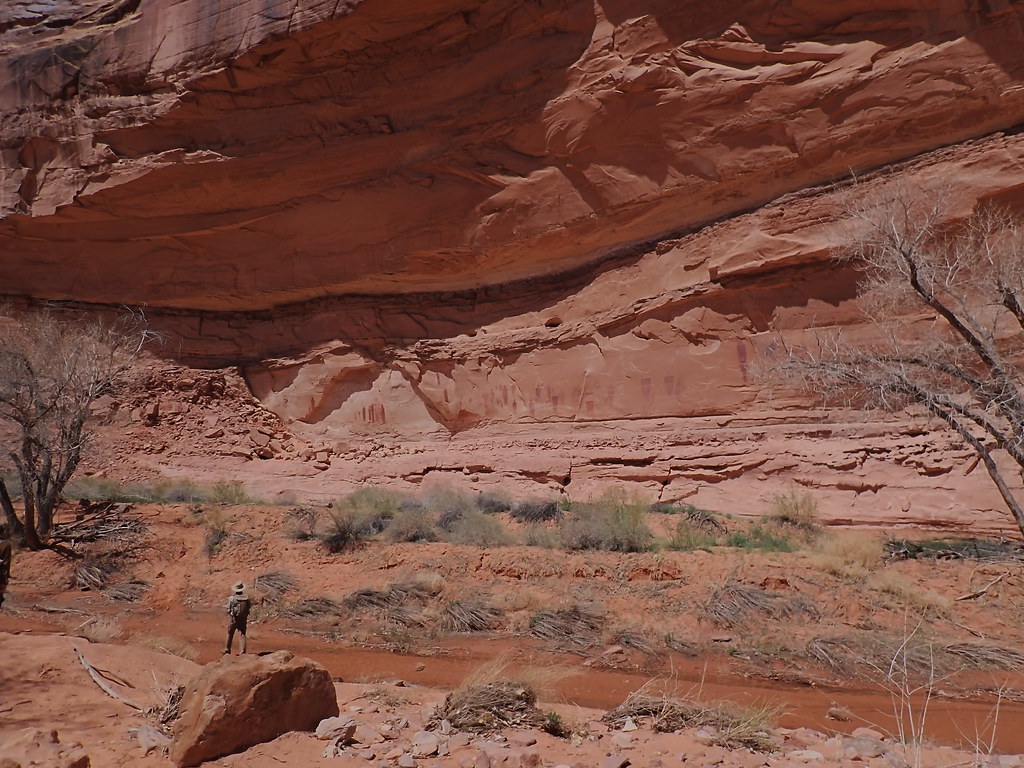
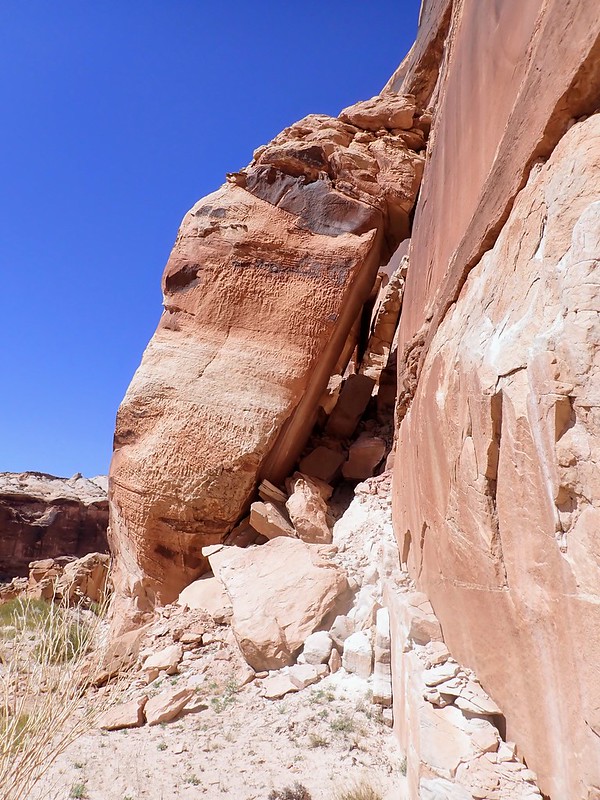
We saw four separate pictograph sites. First up was the High Panel, tucked into a small area among trees, a bit off the main trail. These pictographs were high off the ground. A short walk across the canyon, perhaps ten minutes, led to the Horseshoe Panel of pictographs was intriguing. I wondered what the artist meant to communicate with the trapezoidal figures in the panel. I had seen petroglyphs before, but this trip was my first exposure to pictographs; there was a lot to ponder.

Horseshoe  Panel Pictographs
Horseshoe Panel Pictographs

After some time at Horseshoe Panel, we headed to the Alcove Panel.

Alcove Panel Pictographs

We noticed the acoustics were interesting; we wondered what ceremonies were associated with the pictographs. Some epic tales, the equal of the Iliad in the Western tradition, might have been told at these sites.

Hiking along Barrier Creek

Next, our group trekked about a mile to the Great Gallery. 

The approach opened up to the initial view of the Great Gallery.

Approach to the Great Gallery Pictographs

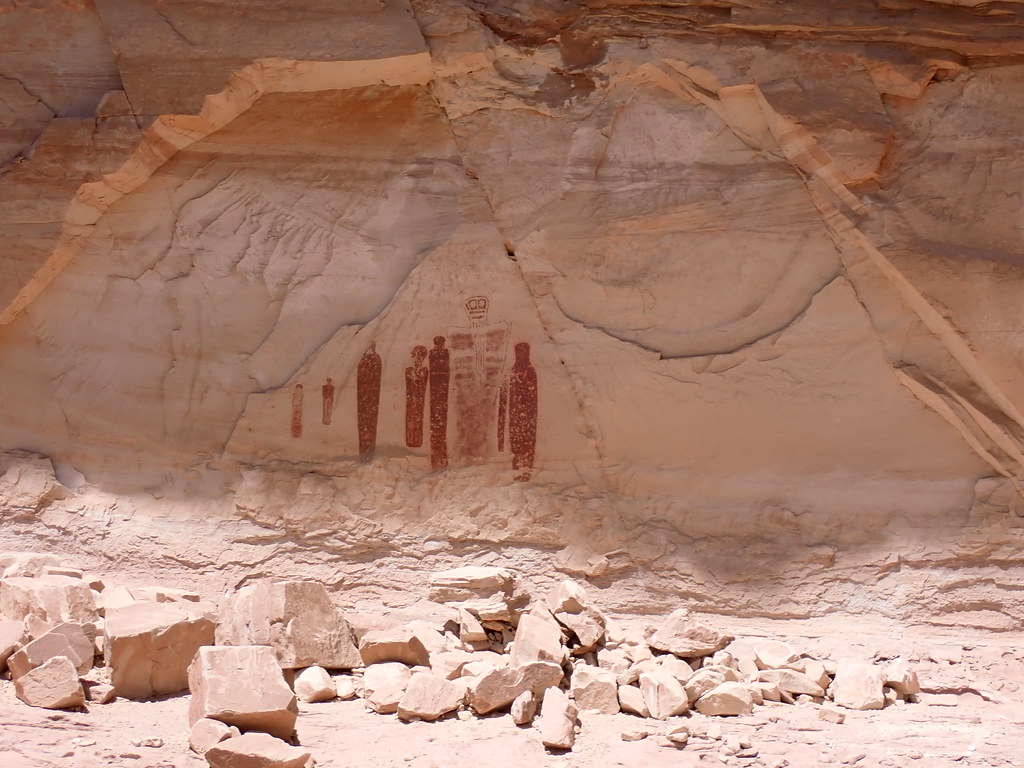
The pictographs spread over a 20-meter (60-foot) expanse of rock tucked under the cliff; this was the most complex set I’d seen. There was a repeated motif of trapezoidal figures. In this gallery, some of the darker figures had lighter shadows next to them, perhaps like the soul of the darker figures. The panel had more miniature figures; I considered them humans among the gods.

Great Gallery Pictographs

The mysterious “Holy Ghost” section left me wondering what it might mean.

Great Gallery Pictographs

We had lunch on some benches that let us gaze at the Great Gallery and contemplate this great art. Afterward, we wandered up the canyon toward our camp.

Leaving Horseshoe Canyon

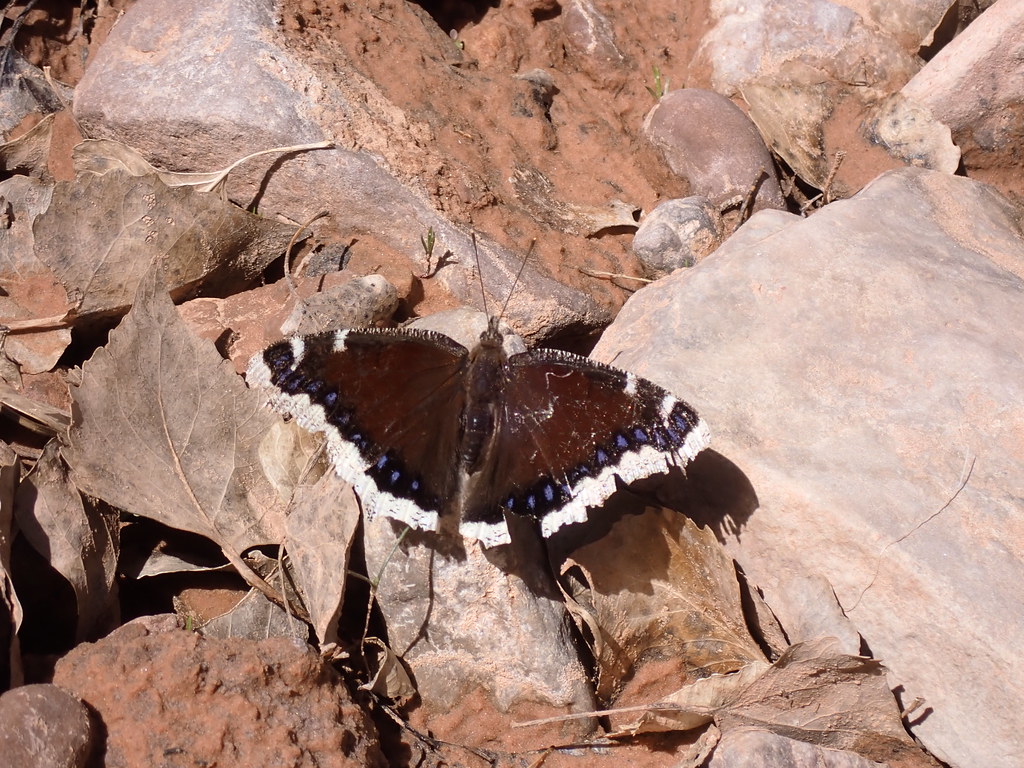
Along the way, I spotted a butterfly near Barrier Creek. I spent a good five minutes chasing it down.

Mourning Cloak Butterfly

It was a Mourning Cloak butterfly, a common species I had seen in my home state of Washington. When I posted this observation on iNaturalist, I found that Nymphalis antiopa has a wide range across the Northern Hemisphere. Whether common or rare, it was still worth chasing a butterfly.

While taking a break before ascending to camp, I talked to a couple who are volunteers at the park. They had seen an unusual wildflower, a paintbrush species, on the opposite rim of the canyon. They gave me directions, and I was off on a botanical boondoggle. The hiking up to the opposite rim was more challenging.

Hike down the far side of Horseshoe Canyon

I made it to the top and found the flower, a Rough Paintbrush ( Castilleja scabrida).

Castilleja (Paintbrush)

I decided to head along the trail on this side of the canyon for about 20 minutes; the payoff was a great view of Sugarloaf Butte with the Henry Mountains in the far distance.

View from Horseshoe Canyon Rim

We had brought radios, and I could contact my friends at our camp on the opposite rim. As I headed down, I had a great view of Horseshoe Canyon. After an hour, I returned to camp and settled in for dinner. It was a fine day of hiking. As a bonus, we had some excellent star gazing in the evening. 

Book review of Outlive: The Science and Art of Longevity by Peter Attia

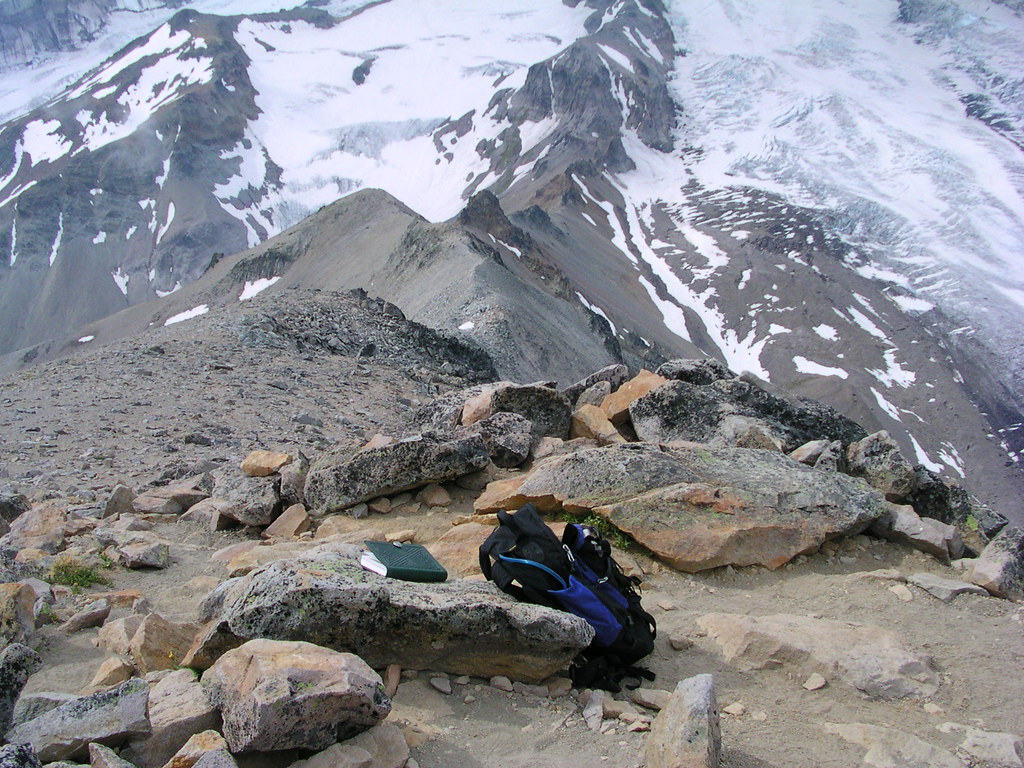
Let me begin my review in the middle of Outlive. The author  asks us to list the ten tasks we want to do for the rest of our lives. He calls this list the centenarian decathlon. Here’s the top of the list for me: hike up to Third Burroughs Mountain. It’s 9 miles (14 km) in Mount Rainier National Park with 2500 feet (760 m.) of elevation gain. Why? I’m a hiker, and this is my favorite hike worldwide.

Up at Third Burroughs
Early morning at Third Burroughs 2003

I’ve spent a fair amount of time thinking about how to keep hiking as I get older. I turned 65 in 2022; I would like to keep exploring mountains as long as possible, this is just the book to help me achieve my goal. Let me explain why.

First, Attia starts with the concept of healthspan – how well you live. There’s a tight coupling between healthspan and lifespan. As we age, we have left less of each. One difference is that lifespan is a discrete quantity; one day, you are alive, and the next, you are not. In contrast, our healthspan gradually diminishes over time. The author details three vectors (components) of healthspan: physical, cognitive, and emotional. The good news is that we can usually improve these components and our overall healthspan. How we do so is the core of the book.

The book’s first part outlines our current situation and a target goal. The most important lesson I learned: “Tactics without strategy is the noise before defeat.” a quote from Sun Tzu, an ancient Chinese military strategist. Been there, done that, got the T-shirt. So, how can I do better? The author has a great framework: first, objectives, then strategy, and finally, tactics. The author trained as an engineer, became a physician, and has worked in business consulting; his background shows throughout the book. I touched on objectives in the discussion of the centenarian decathlon; how about strategy?

The second part of Outlive is the science that can help you develop a strategy. There is a chapter on the science of centenarians; I think of this as a boundary condition. What are the factors that helped get someone to their 100th birthday? (I have a hiking friend who still gets out on walks at 101, I want to follow in her footsteps.) Next is a chapter on the details of how nutrition affects longevity. The last four chapters cover the science of how most of us die: metabolic disorders such as diabetes, heart disease, cancer, and neurodegenerative diseases. Understanding these problems will help you develop tactics to mitigate some issues. There are no magic bullets in these chapters; instead, it’s a well-researched survey of what we know as of 2022. Now that we know objectives and strategies, what tactics can we employ?

The final part of Outlive lays out four tactics: 

  1. Exercise (cardio, strength, and stability)
  2. Nutrition
  3. Sleep 
  4. Emotional health.  

At 260 pages, this is the longest part of the book. It was detailed and beneficial to me. Rather than outline each section, let me list some tactics I am adding to my strategy: 

  1. Work on stability, specifically starting with a yoga class. 
  2. Use a continuous glucose monitor for a few months to optimize my diet. 
  3. Ensure I am getting enough protein intake of lysine, leucine, and methionine.

The last chapter on emotional health was the most impactful in the book. Attia opens up to the reader about his emotional health through the lens of a patient rather than a physician. It touched me deeply; I had some trauma in my teen years when my mom died. Fifty years later, I realized I should address some of these issues rather than wall them off. 

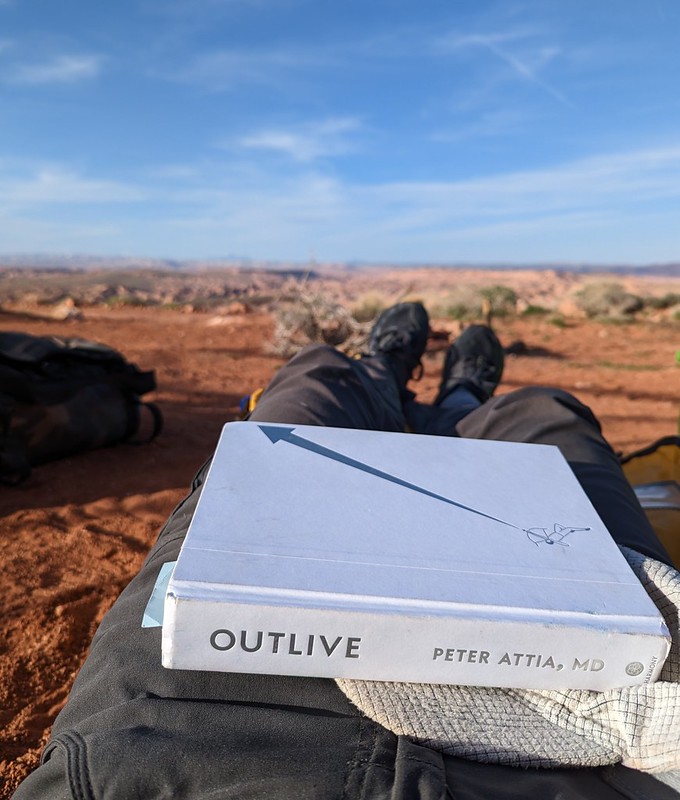
Outlive is a book I will read several times. The book is challenging; I spent four weeks reading the book.

Reading Outlive in Utah
Reading in camp at Grand Staircase-Escalante National Monument, Utah

I made a ton of margin notes and back-of-the-book scrawling. There’s a lot to digest, and there are many references. For example, I want to read the paper Hallmarks of Aging by Carlos López-Otín and colleagues. This book catalyzed some great conversations with my friend Bill about healthspan. I will recommend Outlive to anyone interested in taking action to improve their healthspan.  

One closing thought; there’s a missing chapter in the book. I believe social interaction and engagement can improve healthspan’s cognitive and emotional components. My experience is that forty years of marriage have improved my emotional health. I decided to ask ChatGPT: What studies have shown that social interaction and engagement can improve cognitive function and reduce the risk of cognitive decline and dementia in older adults? Here’s the answer: 

“There have been several studies that have shown a positive correlation between social interaction and cognitive function in older adults. For example:

The Rush Memory and Aging Project: This study found that older adults who had higher levels of social activity experienced a slower rate of cognitive decline than those who were less socially active.

The MacArthur Study of Successful Aging: This study found that older adults who were more socially engaged were less likely to experience declines in cognitive function over time.

The Women’s Health Initiative Memory Study: This study found that women who reported higher levels of social engagement had a lower risk of developing cognitive impairment than those who were less socially engaged.

Overall, these studies suggest that social interaction and engagement can play an important role in maintaining cognitive function and reducing the risk of cognitive decline and dementia in older adults.”

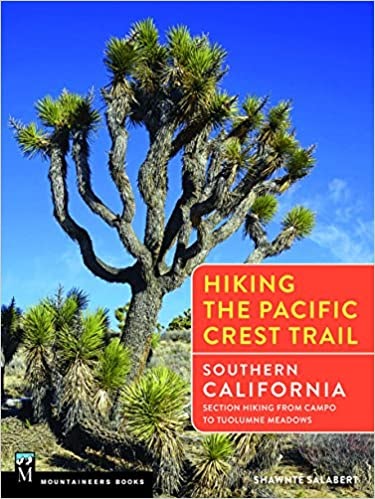
Practical SoCal PCT Section Hiker Guide

Practical SoCal PCT Section Hiker Guide

I found Hiking the Pacific Crest Trail: Southern California: Section Hiking from Campo to Tuolumne Meadows by Shawnté Salabert a helpful reference while hiking 110 miles of California Section A of the PCT in April 2022. The author starts with a 60-page introduction covering the history and logistics of hiking the 943 miles of the Southern California PCT. It’s worth reading, even for experienced hikers. 

The following ten chapters, each roughly 60 pages, describe the sections that comprise the Southern California PCT. In our April 2022 six-day hike of Section A (from Campo to Warner Springs), I found it helpful to read the description before the day’s hike. Here’s one great example: “The climb out of Hauser Canyon is serious business – you face over 1000 feet of elevation gain in about 1.5 miles. Dehydrated, overheated, and underprepared hikers are rescued near here every single year; sadly, one hiker died after making the grueling climb in 2014. Consider timing your ascent for a cooler time of day, make sure you’re hydrated, and ensure that you eat enough to keep your motor running.” I can attest to the truth of those words (See Day 1 Hiking PCT Section A SoCal April, 2022).

The maps were effective for planning. Each chapter had an overall map that divided the section into legs based on distance and elevation.

The author suggested itineraries of varying lengths and times to cover an entire section. For example, she recommended trips of 7 to 9 days to walk from Campo to Warner Springs. Being a little crazy, we did this in six days; however, we used her legs for planning. Each leg had its maps, which I appreciated. While writing in my blog about the adventure from Campo to Warner Springs, the chapter photos and maps refreshed my memory. 

The author’s description of the section hikes of the Sierra, from Cottonwood Pass to Tuolumne Meadows, also matches my memory of my past tramping in this region. The book finishes with some valuable appendices, especially the description of trail towns and services.

Recommend this book for section hikers in Southern California; my rating is 4.5 stars. I read the paperback book but subsequently bought and reviewed the Kindle version.